
Understanding Back Pain: Causes, Treatment, and Prevention
Back pain is one of the most common challenges in modern digital life. It affects millions and often interrupts our ability to enjoy and execute life’s functionality. Back Pain, whether a nagging ache or sudden sharp Pain, can make even simple tasks daunting. Thankfully, relief is within reach with tailored back pain treatment from Advance Physical Therapy. Why Back Pain erupts Our backs are intricate structures of bones, muscles, ligaments, and nerves. This duality makes our backs strong yet prone to pain. Lower back pain, in particular, is a leading cause of missed workdays and limited mobility. Experts estimate that nearly 80% of people experience back pain at some point. Poor posture, lack of movement, muscle strain, and workplace setups that strain the body are common culprits. Sometimes, more serious conditions like herniated discs are involved. Managing back pain requires a well-rounded approach, often combining active and passive therapies. How Physical Therapy Helps Advance Physical Therapy focuses on immediate relief and long-term prevention, especially in lower back pain treatment. The regime by our expert therapists includes: Active Therapy: Stretching Exercises: Stretches, like hamstring and knee-to-chest, strengthen the back muscles. Strengthening Exercises: Targeted activities like wall squats and straight leg raises build muscle support for the spine. Low-Impact Aerobic Conditioning: Walking, swimming, or cycling boosts circulation and keeps the spine robust. Passive Therapy: Heat/Ice Therapy: Heat soothes tense muscles, while ice reduces swelling and numbs sharp Pain. Ultrasound and Transcutaneous Electrical Nerve Stimulation(TENS): It targets deeper tissues to block Pain and change your perception of Pain. Iontophoresis: Uses mild electrical currents to deliver medication directly to painful areas. Exercises For those recovering from back pain or looking to prevent it, specific exercises such as Ankle Pumps, Heel Slides, Piriformis and Hip Flexor Stretches, Planks and Bird-Dogs work wonders. Ergonomics and Posture One of the simplest ways to avoid back Pain is to pay attention to your posture. Minor adjustments can make a big difference if you work at a desk, drive, or lift. Our physical therapists can guide you in setting up your workspace ergonomics and practicing good habits. Moving Forward Recovering from back pain is about finding what works for you—a mix of therapy, exercises, and lifestyle changes. You can build strength and prevent future issues with physical therapy. Remember, your back supports your every move. Treat it well.
Pulmonary Physical Therapy
Breathing Better: Pulmonary Therapy and Rehabilitation The experts say that the most significant indicator of life span isn’t diet or genetics or daily exercise, but your breathing capacity, aka your lung health. As the facts support, unhealthy lungs take a toll on three million people annually, making it the third highest cause of mortality. Hence, we at Advanced Physical Therapy value your lungs and understand that breathing difficulties impact lung functionality whether you’re dealing with COPD, impacted by COVID-19, have narrowly escaped pulmonary embolism or asthma or are managing other respiratory conditions. Hence, we have tailored comprehensive pulmonary therapy programs to help you regain control of your breathing and improve your lung function. Our experienced respiratory therapists work alongside you to make your lungs fit again through a personalized combination of exercises, education, and hands-on techniques. Understanding Pulmonary Rehabilitation Pulmonary rehabilitation is way more than inhalation and exhalation. It’s a well-rounded program to experience a full life: Breathing retraining techniques to help you use less energy while breathing Progressive exercise training to build your stamina and reduce breathlessness Education about your condition and how to manage it effectively Nutritional guidance to support your respiratory health Strategies to perform daily activities with less shortness of breath What Sets Our Pulmonary Treatment Apart Our approach to pulmonary treatment focuses on immediate relief and long-term management. We thoroughly assess your breathing patterns, lung function, and physical capabilities and create a treatment plan addressing your needs and challenges. We employ state-of-the-art equipment and techniques, including: Advanced respiratory monitoring systems Postural Therapy Percussion and Vibration Forced Expiratory Technique Autogenic drainage Diaphragmatic Breathing Positive Expiration Technique High-Frequency Chest Wall Oscillation Incentive spirometry training Energy conservation techniques Airway clearance strategies Intrapulmonary Percussive Ventilation Your Journey to Better Breathing During your pulmonary therapy sessions, you’ll work one-on-one with our specialized therapists, who will monitor your progress and adjust the therapy to your requirements. We understand that everyone’s journey is different, so we emphasize personalized care and support throughout your rehabilitation process. Taking the First Step If you’re struggling with respiratory issues, let us step up and help you improve your breathing capacity. Contact Advanced Physical Therapy today to schedule an evaluation and learn how our pulmonary therapy services can help you breathe easier and move better. Let us be your partner in respiratory health and wellness.
Post Operative Rehabilitation
At Advance Physical Therapy, we are skilled in helping people recover from a wide range of surgical procedures. We offer Pre- and Post-operative care after most surgical conditions. Your surgeon is updated about your progress and if they have a preferred protocol of rehab, we will work with you on their recommended guidelines.The following are the most common surgeries after which Physical Therapy is prescribed: Orthopedic Surgery: replacements, reconstructions, and repairs of the bones, joints, and muscles. Neurological and Spinal Surgery: brain surgery, disc replacements and repairs, spinal fusions, and other operations. Surgery for the internal organs, commonly referred to as abdominal and thoracic surgery. Obstetric and Gynecological Surgery: hysterectomy, postnatal care, gynecological reconstructions, and repairs, etc. Cancer related surgeries requiring removal of tumor, organs, lymph nodes etc. Amputations Talk to a Therapist ( Request a Free Phone Consultation with the Therapist) Click here BENEFITS OF POST SURGICAL PHYSICAL THERAPY? Surgery can undoubtedly alleviate medical illnesses that are unresponsive to more conservative measures, but it can also have negative physical and psychological effects, leading to dissatisfaction and anxiety. Following surgery, pain and inflammation are common. Nevertheless, physiotherapy can aid in their treatment, encourage prompt healing, and help you reach your full potential while you rehabilitate. Benefits of seeing a Physical Therapist are: Getting back into sports and other physical and leisure activities Diminish tension in muscles and joints. Regain strength and endurance. Preventing post-operative complications. Develop self-assurance Relieve pain and stiffness. Meet your short- and long-term health objectives. POST OPERATIVE REHABILITATION AT ADVANCE THERAPY We at Advance Physical Therapy will help you at each step of your healing. Our licensed physical therapists can conduct a thorough Post operative evaluation to ascertain the source of your discomfort or dysfunction and do communication with Surgeons for your Plan of care. They will be able to create a personalized treatment plan that is focused on reaching your objectives. HOW CAN WE HELP YOU AT ADVANCE THERAPY? Schedule an appointment with our team of Advance therapy and get assessed with the best licensed physical therapist. We will develop a tailored treatment plan for your condition based on the findings. Read More View All
Orthopedic Rehabilitation
The specialized area of orthopedic physical therapy includes the evaluation, management, and treatment of musculoskeletal conditions. The goal of this area of physical therapy is to restore the musculoskeletal system which is made up of bones, muscles, joints, ligaments, and tendons back to working at its best. A wide range of disorders, such as fractures, sprains, and strains, joint pain, arthritis, back pain, and postural abnormalities, can be diagnosed and treated by orthopedic physical therapist.Pre- and Post-operative rehabilitation from injuries to various of the body’s joints, muscles, and ligaments are some of the many conditions which orthopedic physical therapy accomplishes. Talk to a Therapist ( Request a Free Phone Consultation with the Therapist) Click here Examples of Conditions treated by Orthopedic Physical Therapist: Orthopaedic physical therapy is employed to treat a wide range of conditions, including but not limited to: Muscular strains and sprains Back and neck pain Tendon and ligament injuries Sports-related injuries Fracture Rehabilitation Osteo -Arthritis Osteoporosis Scoliosis Spondylolysis Joint pain and arthritis Fractures and dislocations Postural abnormalities. Ligament sprain, strain or tear Inflammation of tendons or Bursa Rheumatoid – Arthritis Ankylosing Spondylitis Spondylolisthesis Surgical Rehabilitation of Hip, Shoulder, Knee and Foot/Ankle How is Orthopaedic condition treated? Orthopaedic physical therapy employs a range of treatment modalities to target certain problems and facilitate healing. Several of the frequently used therapies consist of: Manual therapy: It is a method of moving the joints in a carefully graded way to relieve pain and regain normal mobility. It consists of manipulation, mobilization, and other associated methods. Massage techniques: It ranges from light pressure to deep friction, with the goal of breaking down scar tissue in the muscles and ligaments. Neuromuscular Stimulation: Very weak muscles can be strengthened by applying varying currents from an electrical equipment utilizing electrodes. This is a great way to strengthen the muscles that support the knee after knee surgery. Dry needling is a western medical procedure in which damaged muscles are punctured with tiny needles. Dry needling works by assisting the body in healing trigger sites and altering how it perceives pain. Myofascial trigger points are achy nodules seen in tense muscular bands. Dry needling induces metabolic and electrical changes that support the healing process. Strengthening Exercises Stretching and Flexibility Exercise Balance Exercises Functional Mobility Exercises Endurance Training Taping for alignment and joint support. Program of Rehabilitation Exercises: Scientifically formulated at-home exercises can aid with posture, enhance spine and joint mobility, and stabilize and strengthen the muscles that support your bones. Your maximum potential will be realized as this will be tailored to you and assessed accordingly. This is an essential step in getting back to your optimal health. How can I receive Orthopedic Rehabilitation? Schedule an appointment with Advance Physical Therapy to get an overall treatment plan set up and ask your physical therapist if your condition can be treated and could aid your healing and performance. Call us to schedule an appointment today! Read More View All
Respiratory & Deconditioning
Respiratory physical therapy is a crucial treatment for a variety of lung and breathing disorders. Physical therapy helps you manage your symptoms, minimize flare-ups from your lung disease, and maximize lung function, all of which contribute to improving your quality of life.In addition, respiratory physical therapy interventions are directed to a wide range of problems and complications that arise from conditions that affect the pulmonary systems. To improve breathing pattern. To improve vital pulmonary functions Improve lung expansion capacities. Improve use of accessory muscles Postural changes To maintain muscle property and strength Talk to a Therapist ( Request a Free Phone Consultation with the Therapist) Click here Deconditioning Deconditioning is the decline in physical function of the body as a result of physical inactivity and or bedrest or an extremely sedentary lifestyle. It is a complex process of physiological change resulting in functional losses in such areas as movement, mental status, degree of confidence and ability to accomplish activities of daily living. The most important feature of deconditioning is a decline in muscle strength and bulk. SIGNS & SYMPTOMS Decline in independence. Heightened risk of falling Prone to fractures more easily Loss of energy TREATMENT STRATEGIES We have a team of licensed physical therapist which will help you from your initial assessment to your complete treatment plan. Our examples of treatment are: Improve lung expansion through exercises. Improve aerobic conditioning. Thoracic spine manual therapy Reduce shortness of breath (SOB) episodes. Active cycle of breathing technique Muscle strengthening Balance and posture control HOW WE CAN HELP YOU? Here at Advance Physical Therapy, we can help you for treating your respiratory condition and deconditioning. We can help you from your cardiorespiratory assessment to making your personalized treatment plan. Call us to schedule your appointment today. Read More View All
Neurological Rehabilitation
Neurological Rehab Neurological Rehab is a specialist area of Physical therapy. Neuro physical therapy focuses on assessing and treating people with movement disorders that have resulted from injury or disease to the brain, spinal cord, or extremities of the body.In today’s Era, Physical therapists need to embrace the responsibility of using evidence based or at least scientifically accepted method of intervention which we practice at Advance Physical Therapy clinics. Movement is purposeful and is affected by external and internal factors. Therefore, our physical therapy interventions are directed towards restoring the movement after considering various internal and external factors to improve the potential of individuals and communities.At Advance Physical Therapy, Neurological rehabilitation is initiated with thorough Neurological assessment involving motor, sensory, cognitive, balance and also the functional assessment. A well-tailored individualized treatment plan will be developed by our team of therapists that will address your needs. Talk to a Therapist ( Request a Free Phone Consultation with the Therapist) Click here Patients Treated at our Clinic with varied Neurological conditions are: Parkinson Stroke Multiple sclerosis Guillain Barre Syndrome Brain Injury Cerebral Palsy How Advance therapy can help you in your journey? We can improve the quality of life by improving your activities of daily living such as: Rolling over in bed Sit to stand activities Standing to prepare a meal Going to the toilet Walking to the local coffee shop Going for a walk on the beach Any other goal that you would like to achieve. It’s all about you. Why to choose Advance Therapy? Our therapy team have the tools, equipment, skillset and expertise to provide strong clinical recommendations and deliver the rehabilitation that is needed to help you achieve your goals. We will deliver to you a complete neuro rehabilitation service such as: Task-oriented training, in which you do actions found in everyday life, such rising from a chair Strength training with bands, weights, or your own body weight Constraint-induced movement therapy, in which using your weak arm forces you to use your strong arm Gait training Functional electrical stimulation Intervention to improve functional status, posture control and balance. Guidance for home exercises program How I can Receive Neuro rehabilitation services? Schedule an appointment with Advance Physical Therapy to get detailed assessment and treatment plan according to your condition. Come and Experience with our physical therapist on how we can improve your current mobility status and your quality of living. Read More View All
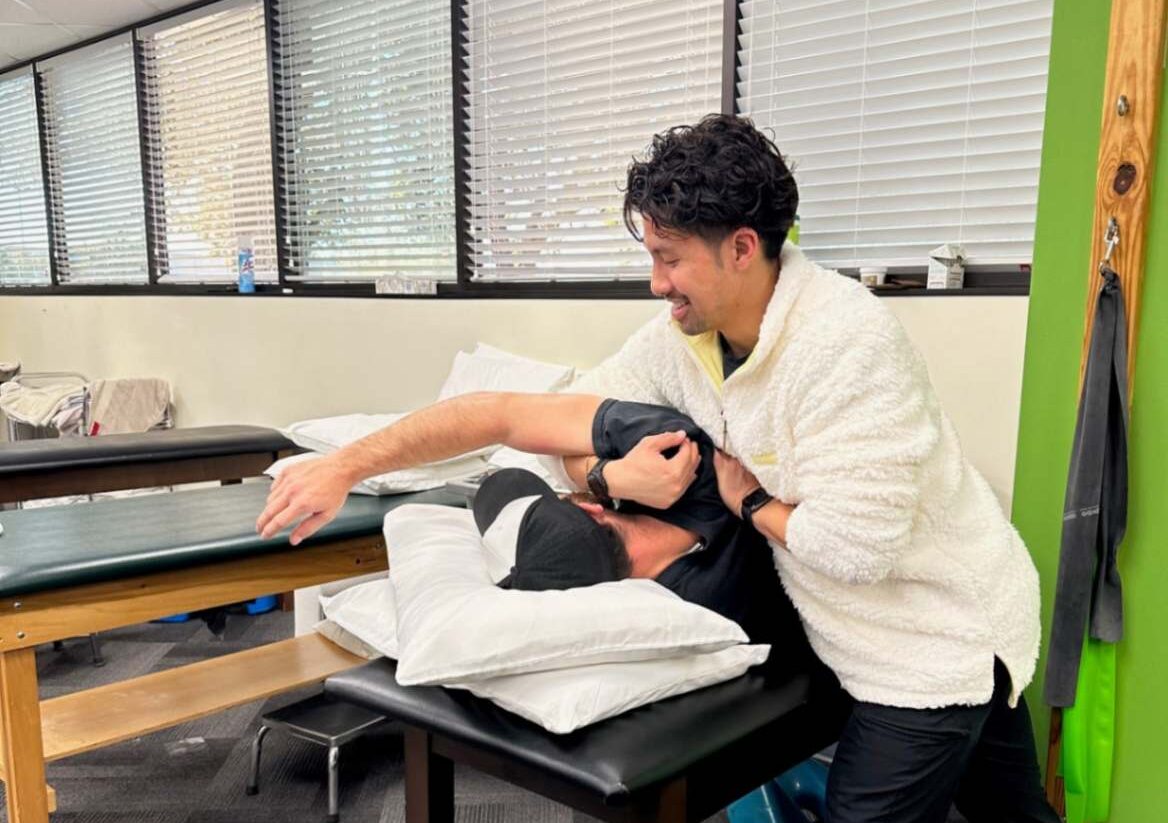
Orthopedic Rehabilitation
The specialized area of orthopedic physical therapy includes the evaluation, management, and treatment of musculoskeletal conditions. The goal of this area of physical therapy is to restore the musculoskeletal system which is made up of bones, muscles, joints, ligaments, and tendons back to working at its best. A wide range of disorders, such as fractures, sprains, and strains, joint pain, arthritis, back pain, and postural abnormalities, can be diagnosed and treated by orthopedic physical therapist. Pre- and Post-operative rehabilitation from injuries to various of the body’s joints, muscles, and ligaments are some of the many conditions which orthopedic physical therapy accomplishes. Examples of Conditions treated by Orthopedic Physical Therapist: Orthopaedic physical therapy is employed to treat a wide range of conditions, including but not limited to: • Muscular strains and sprains • Joint pain and arthritis • Back and neck pain • Fractures and dislocations • Tendon and ligament injuries • Postural abnormalities. • Sports-related injuries • Ligament sprain, strain or tear • Fracture Rehabilitation • Inflammation of tendons or Bursa • Osteo -Arthritis • Rheumatoid – Arthritis • Osteoporosis • Ankylosing Spondylitis • Scoliosis • Spondylolisthesis • Spondylolysis • Surgical Rehabilitation of Hip, Shoulder, Knee and Foot/Ankle How is Orthopaedic condition treated? Orthopaedic physical therapy employs a range of treatment modalities to target certain problems and facilitate healing. Several of the frequently used therapies consist of: • Manual therapy: It is a method of moving the joints in a carefully graded way to relieve pain and regain normal mobility. It consists of manipulation, mobilization, and other associated methods. • Massage techniques: It ranges from light pressure to deep friction, with the goal of breaking down scar tissue in the muscles and ligaments. • Neuromuscular Stimulation: Very weak muscles can be strengthened by applying varying currents from an electrical equipment utilizing electrodes. This is a great way to strengthen the muscles that support the knee after knee surgery. • Dry needling is a western medical procedure in which damaged muscles are punctured with tiny needles. Dry needling works by assisting the body in healing trigger sites and altering how it perceives pain. Myofascial trigger points are achy nodules seen in tense muscular bands. Dry needling induces metabolic and electrical changes that support the healing process. • Strengthening Exercises • Stretching and Flexibility Exercise • Balance Exercises • Functional Mobility Exercises • Endurance Training • Taping for alignment and joint support. • Program of Rehabilitation Exercises: Scientifically formulated at-home exercises can aid with posture, enhance spine and joint mobility, and stabilize and strengthen the muscles that support your bones. Your maximum potential will be realized as this will be tailored to you and assessed accordingly. This is an essential step in getting back to your optimal health. How can I receive Orthopedic Rehabilitation? Schedule an appointment with Advance Physical Therapy to get an overall treatment plan set up and ask your physical therapist if your condition can be treated and could aid your healing and performance. Call us to schedule an appointment today!
Post Operative Rehabilitation
At Advance Physical Therapy, we are skilled in helping people recover from a wide range of surgical procedures. We offer Pre- and Post-operative care after most surgical conditions. Your surgeon is updated about your progress and if they have a preferred protocol of rehab, we will work with you on their recommended guidelines. The following are the most common surgeries after which Physical Therapy is prescribed: • Orthopedic Surgery: replacements, reconstructions, and repairs of the bones, joints, and muscles. • Neurological and Spinal Surgery: brain surgery, disc replacements and repairs, spinal fusions, and other operations. • Surgery for the internal organs, commonly referred to as abdominal and thoracic surgery. • Obstetric and Gynecological Surgery: hysterectomy, postnatal care, gynecological reconstructions, and repairs, etc. • Cancer related surgeries requiring removal of tumor, organs, lymph nodes etc. • Amputations. BENEFITS OF POST SURGICAL PHYSICAL THERAPY? Surgery can undoubtedly alleviate medical illnesses that are unresponsive to more conservative measures, but it can also have negative physical and psychological effects, leading to dissatisfaction and anxiety. Following surgery, pain and inflammation are common. Nevertheless, physiotherapy can aid in their treatment, encourage prompt healing, and help you reach your full potential while you rehabilitate. Benefits of seeing a Physical Therapist are: • Getting back into sports and other physical and leisure activities • Diminish tension in muscles and joints. • Regain strength and endurance. • Preventing post-operative complications. • Develop self-assurance • Relieve pain and stiffness. • Meet your short- and long-term health objectives. POST OPERATIVE REHABILITATION AT ADVANCE THERAPY We at Advance Physical Therapy will help you at each step of your healing. Our licensed physical therapists can conduct a thorough Post operative evaluation to ascertain the source of your discomfort or dysfunction and do communication with Surgeons for your Plan of care. They will be able to create a personalized treatment plan that is focused on reaching your objectives. HOW CAN WE HELP YOU AT ADVANCE THERAPY? Schedule an appointment with our team of Advance therapy and get assessed with the best licensed physical therapist. We will develop a tailored treatment plan for your condition based on the findings.
Vestibular Rehabilitation
What is Vestibular Rehab? A discipline of physiotherapy that treats dizziness, vertigo, spatial disorientation, and instability. However, before diving into the nitty gritty, here are some quick facts: we have three systems of balance: vestibular, ocular, and proprioceptive. These interrelated systems control the body’s equilibrium and help you facilitate movement and spatial orientation. At the heart is the vestibular system, sitting in the inner ear adjacent to the hearing organs. It collects information on vibrations, accelerations, decelerations, tilts, and rotations and acts at fiery speed through vestibular nerves to the spine and brain. It’s an intertwined connection. If something goes awry, the connection is disrupted. The impact is immediate, noticeable, and chaotic. But vestibular rehab comes to the rescue. How can we help? Well, Advance Physical Therapy is a nexus of expert therapists for the past 24 years in Houston and we retrain your eyes, ears, spine, and reflexes to reconnect. Our team helps you correctly process movement information through vestibular exercises, reducing dizziness and imbalance symptoms. We also help you safely return to normal lifestyles. However, dizziness and other vestibular disorders are common in all age groups—while not painful—have profound and unsettling impacts. Many individuals face challenges such as motion sickness, light sensitivity, vertigo, or a persistent feeling of imbalance and still fail to communicate it to their healthcare practitioner. So, using relatable metaphors can help—like the feeling of head spinning or experiencing different gravitational pulls. Because our therapists are trained to read the subtle cues. Moreover, traditional imaging tests such as MRIs or X-rays often fall short in detecting the disorders. Intuitively, we conduct a comprehensive evaluation through hearing assessment, brain imaging, clinical balance evaluations, and posturography to detect the condition and relieve your anxiety and symptoms. Health hazards in the absence of Vestibular Rehab Unfortunately, untreated vestibular disorders can lead to severe complications, including: Fall— Instability can lead to dangerous falls, resulting in severe traumas like concussions, hip fractures, or bruises. Mental health conditions Persistent dizziness can cause anxiety and depression, resulting in avoidant social behaviors or physical activities. Long-term hearing loss Infections in the middle ears, which cause vestibular disorders, can lead to long-term hearing loss. Developmental delays in children Untreated vestibular disorders also lead to learning delays in children in various dynamics and phases of life. What sets rehabilitation at Advance Physical Therapy apart We tailor the treatment after patiently diagnosing your disorders, unlike any random, one-size-fits-all solution. Our therapists, with a compassionate outlook and energy, facilitate exercises such as Vestibular Compensation, Gaze Stabilization, Balance Training, and Head and Eye Movement. A Word of caution: Do not let balance issues limit your life; visit us at Advance Physical Therapy and dive headlong into life with confidence and control. Talk to a Therapist ( Request a Free Phone Consultation with the Therapist) Click here Read More View All
Concussion Treatment
Concussions or mild Traumatic Brain Injuries (mTBI) often go undiagnosed after a concussive event. These events could happen from motor vehicle accidents, sports injuries, or any other injuries which lead to direct or indirect blows to the head. So, what are concussions, and how dangerous are these? The answer lies in the complex structure of our brain which consists of jelly-like fatty tissue inside a protective membrane and hard casing of the skull. But a sudden blow can jolt the brain against its hard interiors, tearing and stretching neurons. This disrupts their communication and releases toxins, further causing the death of other neurons. Eventually this leads to milder issues like persistent headaches and learning difficulties to more severe conditions such as blood clots called hematomas, nausea, vertigo, and blurry vision. These symptoms can significantly impact personal relationships due to the changes in the emotional behaviors of the patients secondary to Concussion. What Causes Concussions? A simple fall from the staircase in the home, a sports injury, or a whiplash in a motor vehicle can lead to a concussion. Thankfully, concussion injuries can heal within a matter of weeks or days with proper rest and physical therapy. Concussion Treatment and Concussion Management Concussion therapy can be challenging to diagnose, as it does not always show up in MRI or brain scans. However, at Advance Physical Therapy, our concussion management experts obtain medical history followed by the injury with care and compassion, noting down every bit of detail to formulate a well-rounded plan. Our therapists also help patients improve cardiovascular outputs for players and facilitate the vestibular system recruitment. Getting them back to performing at a high level without residual symptoms. Moreover, our therapy services provide lifestyle modifications and exercise regimes as a part of motor vehicle accidents treatment and sports injury treatment to minimize the long-term risks. In conclusion, concussions, though often temporary, can lead to lasting physical, cognitive, and emotional challenges if not properly managed. At Advance Physical Therapy, we specialize in treating and managing concussions, through expert care and personalized treatment plans. We believe that early diagnosis, tailored therapy, and lifestyle modifications are key to helping our patients recover fully, regain strength, and improve performance without long-term effects. Talk to a Therapist ( Request a Free Phone Consultation with the Therapist) Click here Read More View All